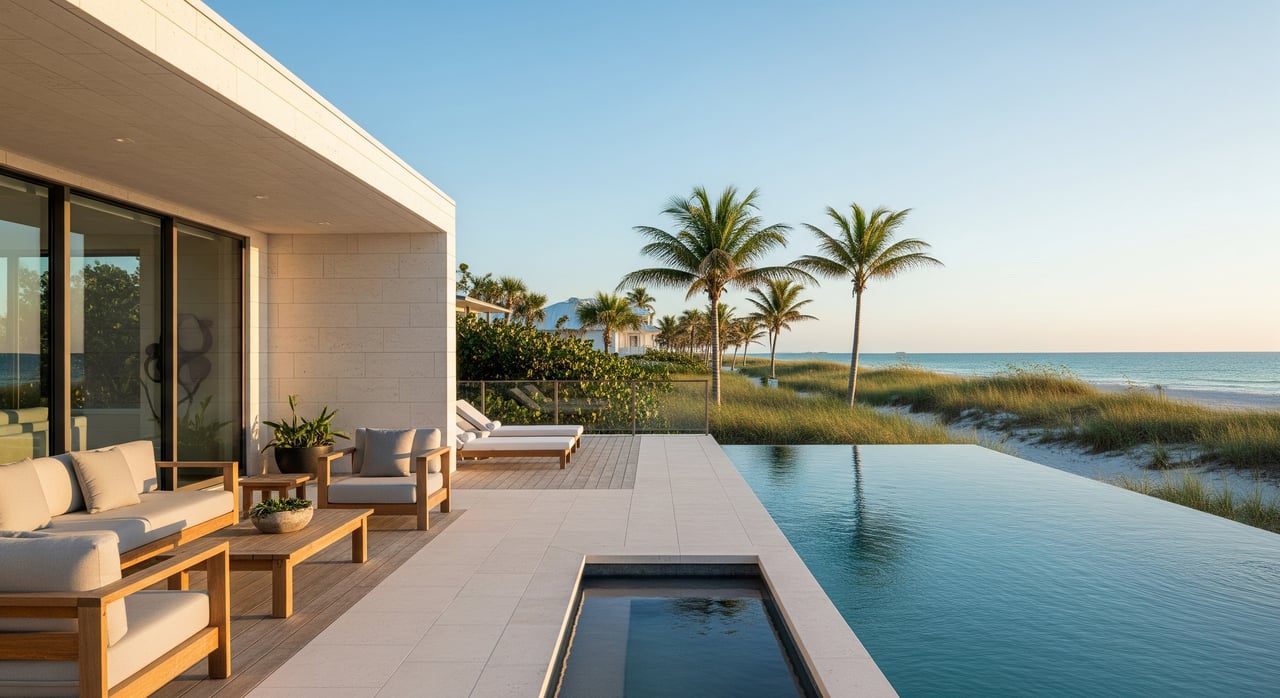
Imagine waking up, pouring a coffee, and stepping onto soft Gulf sand within minutes. If that sounds like your kind of morning, the Vanderbilt Beach area in North Naples deserves a close look. You may be weighing condos versus single‑family homes, wondering about beach access, or trying to make sense of HOA rules and insurance. This guide gives you the everyday realities and the key decisions so you can shortlist properties with confidence. Let’s dive in.
Where Vanderbilt Beach fits
Vanderbilt Beach sits on the Gulf of Mexico in North Naples, within zip code 34108 in Collier County. The shoreline is a mix of contiguous public beach and private beachfront buildings along Gulf Shore Drive. Just inland, you find mid to high density residential areas and convenient dining and shopping.
Mercato is a primary hub for restaurants, groceries, and services, all within a short drive. You also have nearby shopping districts like Venetian Village for waterfront dining and boutique options. The location pairs daily beach time with easy access to errands and entertainment.
Property types to consider
High‑rise beachfront condos
These towers offer elevators, parking garages, and amenities like pools, fitness rooms, and direct beach access. They are popular with retirees and second‑home buyers who want low maintenance living and reliable on‑site management.
Low‑rise beachfront condos
Smaller buildings often mean fewer neighbors and a more intimate setting. Many have direct dune crossovers and a closer connection to the sand. If you value a quieter vibe and fewer units, this format can be appealing.
Gulf‑front single‑family homes
These properties are less common and at a premium. They deliver private yards and direct frontage on the Gulf. If you want maximum privacy and space on the beach, this is the top tier.
Bayfront and backbay options
On the inland side, bayfront and canal properties attract boaters who want dock access. You get quick access to the water for paddlecraft and small boats, with larger marinas and services a short drive away in the broader Naples area.
Everyday living near the sand
Beach access 101
You will see a mix of public beach entrances and private or deeded access through buildings and associations. Boardwalks and dune crossovers are common for crossing protected dunes. When you evaluate a property, confirm whether the access is deeded for owners or shared via an HOA or county-managed crossover.
Public parks in the area offer restrooms, picnic spots, and seasonal support. If you want a quieter experience, consider buildings with private crossovers or those at either end of the beach.
Parking and peak‑season rhythms
Winter brings a big influx of seasonal residents and visitors. Public parking fills quickly, and street rules are enforced more closely. Most beachfront condos include assigned spaces for owners, but guest and rental parking can be limited. Ask about guest passes, overflow options, and rules for short‑term visitors.
Dining, shopping, and services
You can handle everyday errands within 10 to 15 minutes of Vanderbilt Beach. Restaurants and shops cluster around Mercato, with additional options along the coast and toward central Naples. Pharmacies and grocers are close by, which makes daily life simple whether you are a full‑time resident or a snowbird.
Boating and fishing basics
If boating is part of your lifestyle, bayfront and canal homes offer convenient dockage and quick access to the back bays. Verify deeded dock rights, HOA rules on dock construction, and any wet slip rights. Small boats and paddlecraft can often launch from local ramps or private docks. For larger yachts and full marine services, plan on a short drive to Naples marinas and service yards.
Casual fishing, paddle boarding, shelling, and long beach walks are part of the daily rhythm here. Nearby parks and preserves offer nature trails and quieter beach stretches for a change of pace.
What it costs to own
HOA rules and rental terms
Most Gulf‑front buildings are condominiums or part of an HOA that sets rules for use and maintenance. Focus on:
- Rental policy and minimum terms
- Guest and parking rules
- Pet policies
- Amenity hours and access
- Insurance structure, reserves, and any pending special assessments
If rental income matters to you, request the full association documents and historical rental patterns. Rules vary from short‑term friendly to long‑term only.
Insurance and flood exposure
Coastal living includes hurricane and storm surge risk. Before you make an offer, you should:
- Check the FEMA flood zone for the exact address and learn the base flood elevation
- Ask for 10‑year wind and hurricane claims history for both the unit and the master policy
- Review wind mitigation features like impact glass, shutters, and roof systems
- Get quotes for both wind and flood coverage from coastal specialists
Newer construction built to updated Florida codes may lower risk and insurance costs. The more you learn about a building’s protections, the clearer your long‑term cost picture becomes.
Building age and maintenance
Salt air is hard on buildings. Older towers can face concrete restoration, roof replacements, sea wall work, and HVAC corrosion. Ask for recent engineering reports, inspection results, and any planned capital projects. A building with a strong reserve fund and recent upgrades can reduce surprises in the next few years.
Taxes and monthly expenses
Property taxes are set by Collier County and depend on assessed value and exemptions. If you plan to designate the home as a primary residence, confirm homestead eligibility. Monthly costs typically include HOA or condo fees, electricity for air conditioning, water and sewer, and routine maintenance. Build a realistic budget that includes reserves and insurance.
How to build your shortlist
Start with your lifestyle priorities and use them to narrow options. Rank each property against what matters most to you.
- Direct deeded Gulf access or a short walk across the street
- Assigned or deeded parking for you and guests
- Elevators and accessibility features for easy mobility
- Balcony size, orientation, and wind exposure for everyday outdoor use
- On‑site amenities like pool, fitness center, beach storage, and management
- Rental flexibility and associated fees
- Recent capital improvements and reserve health
- Hurricane protections and code compliance
- Proximity to dining and shopping versus quieter beach sections
- Dock access or proximity to marinas if you plan to boat
If your goal is a low‑maintenance winter retreat, focus on newer high‑rise buildings with full‑time management and covered parking. If boating tops your list, look closely at bayfront properties with deeded dock rights. For a quieter beach experience, consider smaller buildings with private crossovers away from the busiest parking areas.
What to look for on tours
Bring a simple checklist to property visits. A few targeted checks can save you from costly surprises later.
- Walk the beach crossover in the morning and late afternoon to gauge crowding and noise
- Confirm who maintains the crossover and boardwalk
- Test elevator reliability and inspect stair access, especially in older buildings
- Review recent HOA meeting minutes for assessments, litigation, or major projects
- Verify deeded storage, outdoor furniture rules, and any grilling restrictions
- Clarify guest parking and whether short‑term renters can use amenities
If a building is in the middle of concrete restoration or sea wall work, ask for the schedule, budget, and how the association plans to fund it. That information directly impacts your use of the property and future costs.
Seasonality and daily rhythm
The winter season, roughly December through April, is lively with many seasonal residents and visitors. Restaurants, beaches, and roads are busier. Summer brings heat, afternoon storms, and a quieter pace that many year‑round residents enjoy. If you plan to rent or host family during peak season, factor parking and guest policies into your selection.
For retirees or anyone with mobility concerns, prioritize accessible buildings with secure parking, reliable elevators, and on‑site management. For second‑home owners, a property that balances easy lock‑and‑leave convenience with strong storm protections offers peace of mind.
Smart next steps
Your best decisions will come from a blend of lifestyle clarity and document‑based due diligence. Before you make an offer, line up the following:
- Association documents, bylaws, and rental rules
- Reserve study, engineering reports, and capital improvement plans
- Master insurance certificate and 10‑year claims history
- Preliminary quotes for wind and flood insurance
- FEMA flood zone details for the specific parcel
- Recent HOA meeting minutes
With a clear shortlist and the right documents, you can move quickly when the right condo or home appears. If you want local context on buildings, boardwalk quality, parking nuances, and seasonal rhythms, lean on a team that works these streets every day.
Ready to curate a Vanderbilt Beach shortlist that fits your lifestyle and budget with confidence? Reach out to the Batey Westerlund Team for a calm, consultative process from the first tour through closing. Connect with Ryan Batey to start your search.
FAQs
What types of homes are near Vanderbilt Beach in 34108?
- You will find high‑rise and low‑rise beachfront condos, a limited number of Gulf‑front single‑family homes, and bayfront or canal properties that appeal to boaters.
How does beach access work for condos around Vanderbilt Beach?
- Access can be deeded for owners or shared and managed by an HOA or the county; confirm the exact type, crossover maintenance, and any restrictions before you buy.
What should I know about insurance for a beachfront condo?
- Plan for both wind and flood coverage; review wind mitigation features, the building’s master policy, 10‑year claim history, and get quotes from coastal insurance specialists.
Are short‑term rentals allowed in Vanderbilt Beach condos?
- Policies vary by association; request the HOA rules, check any local ordinances, and review historical rental patterns and tax requirements before relying on rental income.
What are the biggest maintenance concerns for older beachfront buildings?
- Concrete restoration, roof replacement, sea wall work, and corrosion of systems are common; ask for engineering reports, reserve studies, and the capital project schedule.
How busy is the area during peak season in North Naples?
- Winter months are lively with more residents and visitors, which affects beach crowding, restaurant wait times, and parking; summer is typically quieter with afternoon storms.
Where do boaters keep larger vessels near Vanderbilt Beach?
- Private docks and canals suit smaller boats, while larger yachts and full service are typically handled at Naples marinas a short drive away.
What expenses should I budget beyond the purchase price?
- Plan for HOA or condo fees, property taxes, wind and flood insurance, utilities, routine maintenance, and potential special assessments for capital projects.