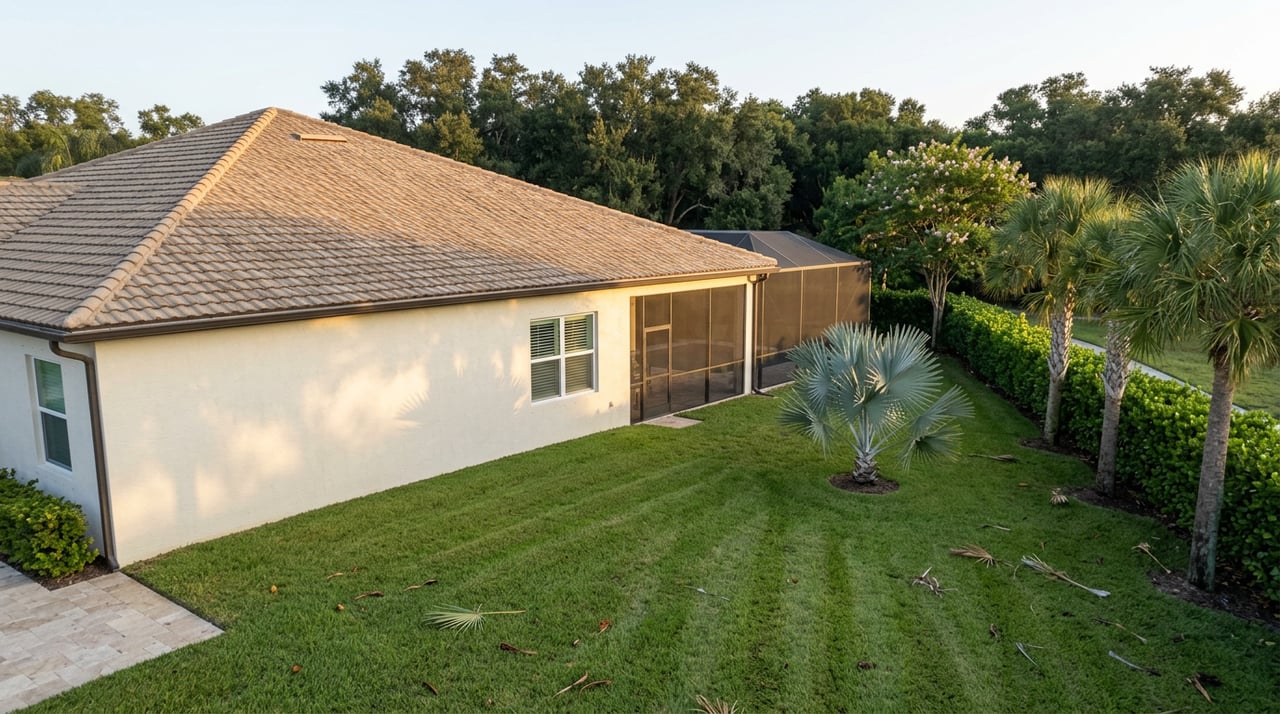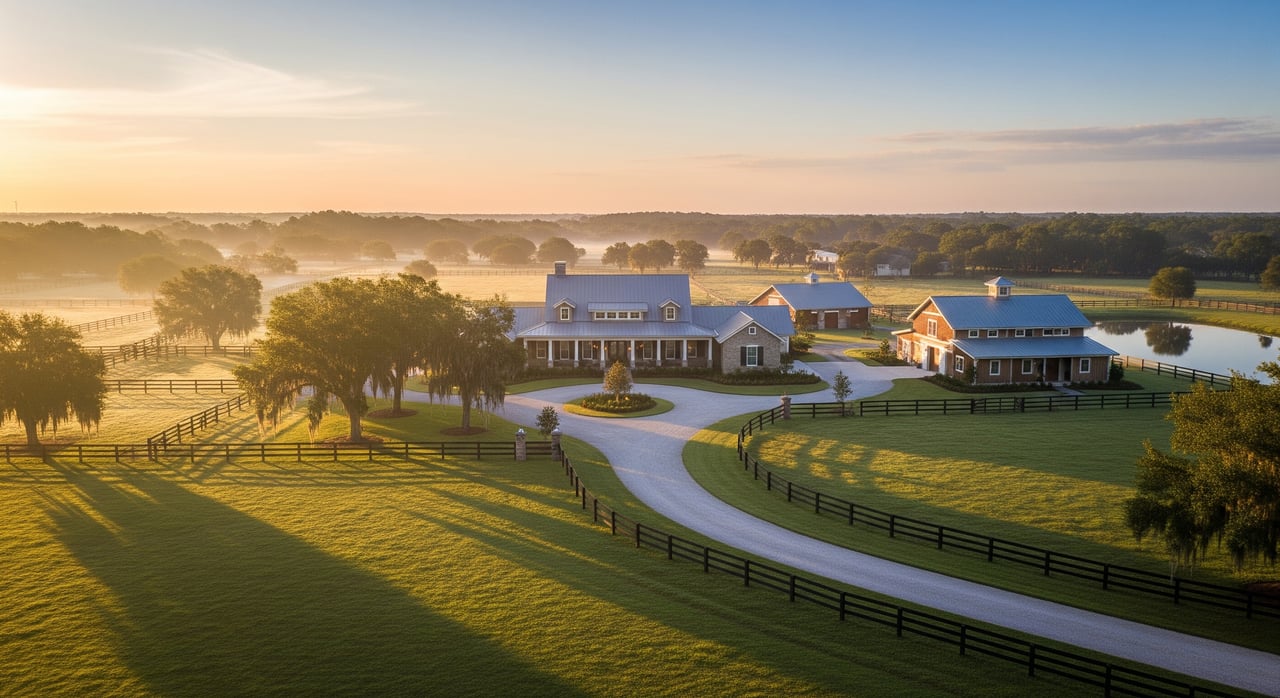
Pricing an acreage estate in Pine Ridge can feel tricky. You are not just pricing a house. You are pricing land, privacy, outbuildings, and the way everything works together. When direct comparables are scarce, a clear framework keeps you confident. In this guide, you will learn how appraisers and savvy sellers approach value in Pasco County, what documents to gather, and how to position your property for a strong result. Let’s dive in.
What drives value on acreage estates
Land first: usable acres and access
Start with the land. Buyers respond to usable acres, not just gross size. Wetlands, easements, or rights of way can reduce usable area. Look at access and road quality, utility availability, and zoning. Verify your zoning district and allowed uses, along with minimum lot size and accessory structure rules, through Pasco County land development resources. If any portion sits in a flood zone, note FEMA map details and whether an elevation certificate or flood insurance may be needed. Soil type and drainage influence buildability and septic placement.
Primary residence: size and condition
The home’s gross living area, layout, and finish level matter, but condition often matters more on acreage estates. Roof, HVAC, septic, well, and electrical must be sound. Deferred maintenance reduces buyer confidence and can limit financing. Renovations that cure core issues improve marketability. High-end finishes may not produce a dollar-for-dollar value increase, so weigh cost to cure against likely contributory value.
Guest houses and outbuildings
A permitted guest house that is built to code and has proper utility hookups typically adds value. The contributory value depends on size, finishes, and whether it has independent septic and water capacity. Unpermitted living areas raise risk and can reduce financing options. Barns, workshops, pole barns, tack rooms, and garages add value based on their utility to the likely buyer pool, such as equestrian or hobby-farm uses.
Privacy and amenity premiums
Buyers seeking seclusion will often pay more for mature tree buffers, long driveways, gated entries, and thoughtful screening. Amenities like ponds, trails, and equestrian facilities can command premiums for niche buyers. Well-maintained acreage shows better than overgrown land and reduces perceived post-closing costs.
Legal and title factors
Easements, rights of way, mineral or timber rights, and restrictive covenants can affect use and value. Document whether access is via a public road or a deeded easement. Clear, recorded access rights are essential for buyer confidence and lender approval.
Step-by-step pricing framework for Pine Ridge
1) Define market and highest and best use
Identify your likely buyers, such as equestrian users, privacy seekers, or hobby farmers. Confirm legal permissibility for your uses, including whether subdivision is allowed. This shapes both marketing and valuation.
2) Split land and improvements
Segment value into two buckets: land and improvements. This lets you compare your land to vacant acreage sales and your home and outbuildings to improved estate sales.
3) Build your comp set
Start in Pine Ridge, then expand to similar Pasco County submarkets if needed. Consider a longer time window, such as the past 12 to 36 months, then make time adjustments. Include recent sales of vacant acreage, small estates, and improved estates with similar features. Flag properties with guest houses, barns, equestrian amenities, or privacy features.
4) Normalize the metrics
- Use per-acre or per-usable-acre values to compare land.
- For the home, use price per square foot as a rough check, knowing rural homes are less uniform than subdivision properties.
- Always distinguish gross acres from net usable acres after wetlands and easements.
5) Derive thoughtful adjustments
Use paired sales analysis whenever possible. If two sales are similar except for one feature, like a guest house or barn, the price difference suggests the contributory value of that feature. Common adjustments include:
- Acres and usable acres
- Access differences, such as paved public road versus private easement
- Utilities: public water or sewer versus well and septic
- Permitted living units and bedroom count
- Condition and renovation scope
- Site amenities: pond, pool, barns, arenas
- Privacy elements, like buffers and driveway length
- Views and topography
6) Cross-check with cost and residual methods
Use the cost approach to estimate replacement cost new, then subtract depreciation and add land value. A land residual analysis can isolate land value by subtracting depreciated improvement value from sale price. These are cross-checks when sales data is thin.
7) Reconcile to a supported range
In a thin market, present a well-supported range rather than a single number. Document assumptions and show sensitivity. This helps buyers and appraisers understand your logic and reduces negotiation friction.
Renovation and permitting strategy
Prioritize finance-ready repairs
Address structural items, roof, septic and well, electrical and plumbing, and HVAC first. These reduce risk and open more financing options, which helps price stability. Keep receipts and any engineering reports.
Cost to cure versus contributory value
Cost to cure is what you spend. Contributory value is what the market returns. They are not always equal. Fix items that block financing or marketability. For cosmetic upgrades, target projects that improve function and broad appeal.
Permits and documentation
Only permitted living area counts as gross living area. Keep permits and certificates of occupancy for the main house and any guest units. If a guest house lacks permits, consider the cost and feasibility to legalize it or price in a risk discount. Verify septic capacity if you have multiple dwellings.
Privacy, presentation, and marketing
Quantify and highlight privacy
Document distance to neighbors, mature buffers, and view corridors. Gated entries and driveway length can signal seclusion. Use aerial images to show separation and natural screening.
Showcase usable acreage
Map out pastures, building pads, trails, and dry areas. Clarify wetland boundaries and conservation buffers. Mowed fields and tidy fence lines tell buyers the land is ready for use.
Position outbuildings by utility
Explain the functional benefit of each structure. For equestrian buyers, document fencing type, stalls, arena footing, water points, and turnout acreage. For hobby users, highlight power availability, clear heights, and storage.
Due diligence checklist for Pine Ridge
- Current and prior surveys, including easements and boundary details
- Legal description, deeds, and any recorded covenants
- Building permits and certificates of occupancy for all structures
- Septic and well permits, pump records, and capacity details
- Soil data or NRCS report, plus drainage notes
- FEMA flood zone information and any elevation certificate
- Property tax history and any agricultural classification documentation
- HOA or road maintenance agreements if roads are private
- Aerial imagery showing lot shape, usable areas, and separation from neighbors
- Cost estimates for needed repairs or upgrades
Example: pricing a 10-acre estate
Consider a 10-acre property with a main home, a permitted guest house, a barn, and a private gated entry. Start by extracting a per-usable-acre rate from vacant land sales in the submarket. Adjust for any wetlands or ponds. For the guest house, use paired sales or a simple income lens if it is legally rentable. Account for septic capacity upgrades if needed. Add contributory value for the barn and equestrian features where the buyer pool supports it. Cross-check the total with a cost approach for the improvements, then reconcile to a value range with clear assumptions.
When to bring in experts
For unique estates, a certified appraiser with rural and acreage experience can validate your range. Pasco County offices can confirm zoning, permits, and flood data. If you are preparing to list, a pricing and marketing strategy that presents usable acres, privacy, and permitted improvements clearly will set you apart. If you would like a data-driven opinion of value and a premium marketing plan, connect with Ryan Batey for guidance.
FAQs
How do I price lot size per acre in Pine Ridge?
- Derive a per-usable-acre rate from recent vacant land sales in similar Pasco County submarkets, then adjust for utilities, access, and constraints like wetlands.
Do permitted guest houses always add value on acreage estates?
- Yes, when built to code and supported by utilities, but the amount depends on size, finish, and buyer demand; unpermitted units reduce value due to risk and financing limits.
What if there are no direct comparable sales near my property?
- Expand the search area and time frame, normalize values per usable acre and per square foot, apply paired-sales adjustments, and cross-check with cost and residual methods.
How does privacy influence price in Pine Ridge?
- Buyers who want seclusion pay premiums for buffers, long driveways, and screening, but the premium varies; document privacy features and use paired comps when possible.
Which renovations yield the best return on acreage estates?
- Repairs that enable financing and reduce risk, such as roof, septic, well, HVAC, and electrical, usually help most; cosmetic projects should focus on broad market appeal.